
Material type
Silk Blend
Fit type
Regular
Style
Straight
Closure type
Elastic
Care instructions
Machine Wash
₹2,500.00 Original price was: ₹2,500.00.₹999.00Current price is: ₹999.00.
In the vast and vibrant world of fashion, few styles offer the timeless grace, cultural richness, and versatile beauty of ethnic women’s clothing. This category, encompassing everything from daily wear to grand occasion outfits, serves as a cornerstone of personal style for millions. It’s a celebration of heritage, craftsmanship, and feminine expression.
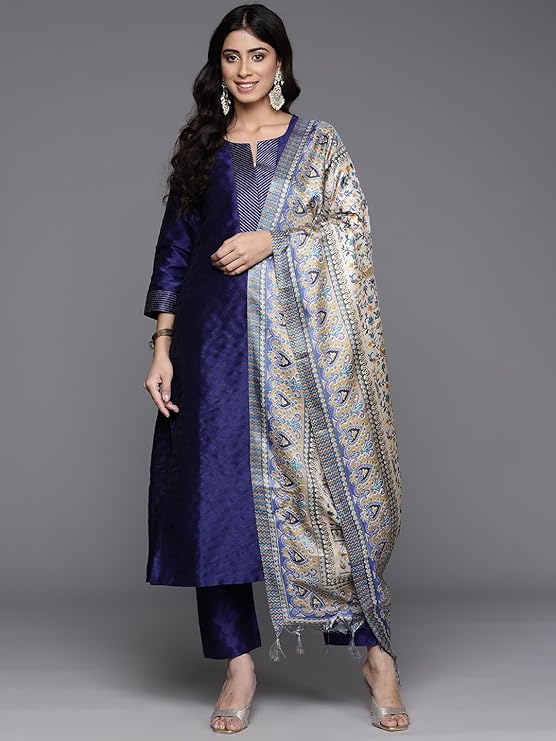
Today, we embark on a comprehensive exploration of a single, perfect ensemble that exemplifies the very best of modern ethnic women’s clothing: a dark blue straight kurta set with a matching
bottom and a patterned dupatta. This piece is more than just an outfit; it is a narrative of elegance, comfort, and sartorial intelligence, representing a key trend within the broader spectrum of ethnic women’s clothing.
This definitive guide will not only detail this specific outfit but will also use it as a lens to examine the cultural significance, styling versatility, and enduring appeal of ethnic women’s clothing as a whole.
We will delve into the nuances of its design, the quality of its fabric, the countless ways to style it, and its place in the contemporary wardrobe of the discerning modern woman who values tradition without sacrificing contemporary flair.
At the heart of this discussion is a specific item that has become a staple in collections of ethnic women’s clothing. Let’s break down its components, as described, to understand why it stands out.
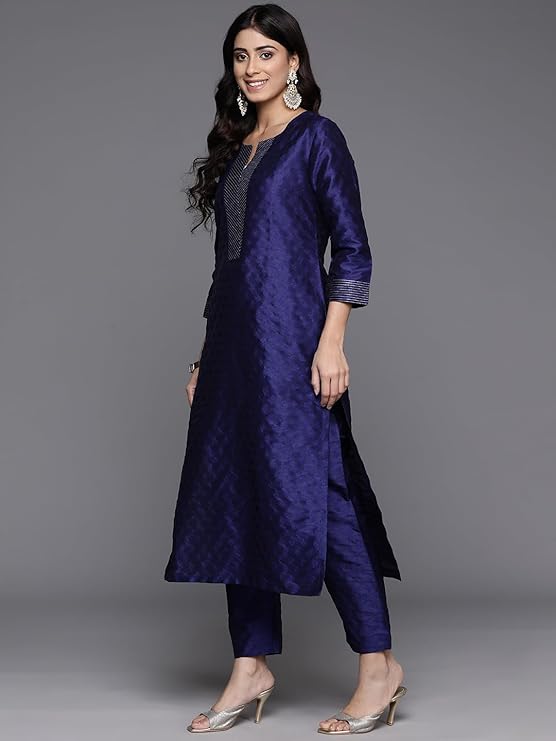
The Elegant Design: The Dark Blue Straight Kurta
The kurta is the centerpiece, the foundational garment upon which the entire ensemble is built. The “straight” cut is a classic silhouette in the lexicon of ethnic women’s clothing. Unlike an
A-line or flared cut, the straight kurta offers a streamlined, vertical profile that is incredibly flattering on a wide range of body types. It creates an illusion of height and provides a clean, sophisticated canvas for the rest of the outfit.
The dark blue hue is a masterstroke of color selection. While the market for ethnic women’s clothing is often awash with vibrant reds, pinks, and oranges for festive occasions, dark blue offers a refreshing alternative.
It is a color deeply associated with depth, stability, wisdom, and calmness. It’s a versatile neutral in the world of ethnic women’s clothing that can be both strikingly formal and effortlessly casual. It transcends seasons, making it a perennial favorite and a wise investment piece for any wardrobe focused on ethnic women’s clothing.
The classic round neckline is a testament to understated elegance. It is universally appealing, simple yet profoundly chic, and provides the perfect frame for the face and neck. It allows for the focus to shift to statement jewelry or lets the dupatta take center stage, demonstrating the thoughtful balance inherent in well-designed ethnic women’s clothing.
The three-quarter sleeve length is a practical and stylish choice. It offers more coverage and formality than short sleeves while being less restrictive and warmer than full-length sleeves. This makes the outfit suitable for a variety of climates and settings, a key feature for adaptable ethnic women’s clothing. It elegantly showcases the wrist, making it the ideal partner for bracelets, watches, or bangles.
The Comfortable Fit: The Miracle of Crepe Fabric
The declaration of being “made from high-quality crepe fabric” is perhaps the most crucial aspect of this outfit’s description. Fabric choice is what elevates a garment from mere clothing to a experience of luxury and comfort, especially in ethnic women’s clothing.
Crepe is a textile celebrated for its unique characteristics. It is typically woven from silk, wool, or synthetic fibers like polyester to achieve a distinctive crinkled or pebbled surface texture. This texture is not just aesthetic; it gives the fabric a graceful drape that flows beautifully with the body’s movement, a highly desired trait in ethnic women’s clothing.
The description highlights three key attributes:
Soft: High-quality crepe feels luxurious against the skin. It avoids the stiffness or scratchiness of inferior fabrics, ensuring that the wearer feels pampered and comfortable throughout the day.
Lightweight: This is a critical factor for comfort, particularly in warmer weather or during long events. The garment feels almost weightless, preventing that heavy, burdensome feeling some traditional outfits can have.
Breathable: Good crepe fabric allows air to circulate, helping to regulate body temperature. This makes it an excellent choice for extended wear, whether you’re attending a day-long wedding function or navigating a busy day of errands.
This trifecta of softness, light weight, and breathability is the holy grail for comfortable ethnic women’s clothing. It means the outfit is not just worn but is truly enjoyed, allowing for confidence and ease of movement. This focus on fabric quality is what separates mass-produced garments from thoughtfully crafted ethnic women’s clothing.
The Complete Ensemble: Solid Bottom and Patterned Dupatta
The inclusion of a “matching solid bottom” is a significant value addition. It eliminates the common hassle of finding the perfect pairing, ensuring a cohesive and polished look from the start. The solid color, likely
the same dark blue as the kurta, creates a monolithic, elongating effect, further enhancing the sleek silhouette of the straight kurta. This monochrome base is a modern approach to ethnic women’s clothing, allowing for maximum versatility.
Then comes the pièce de résistance: the “patterned dupatta in blue and beige.” The dupatta is the storyteller of the ensemble. In this case, the blue in the pattern seamlessly ties it back to the base outfit, creating harmony.
The introduction of beige (or a soft cream) provides a beautiful contrast. Beige is a neutral, earthy tone that softens the depth of the dark blue, adding a touch of warmth and elegance. The pattern—whether it’s delicate floral motifs, traditional geometric designs, or intricate paisleys—injects personality, texture, and visual interest into the outfit.
This combination—a solid base with a patterned accent piece—is a fundamental and highly effective design principle in ethnic women’s clothing. It allows for a statement to be made without overwhelming the senses, a perfect example of effortless chic in the realm of ethnic women’s clothing.
One of the most compelling reasons for the enduring popularity of ethnic women’s clothing is its incredible versatility. This particular ensemble is a prime example, designed to transcend specific events and integrate seamlessly into multiple facets of a woman’s life.
Suitable for Daily Use
Gone are the days when ethnic women’s clothing was reserved only for special events. The modern iteration, like this crepe kurta set, is perfectly suited for daily wear. Its comfort is paramount. The soft, breathable crepe fabric makes it ideal for working from home, attending casual meetings, running errands, or enjoying a day out with friends.
The straight-cut design offers ease of movement, while the dark blue color is practical and less prone to showing minor stains or wear than lighter shades. This democratization of ethnic women’s clothing for everyday life speaks to its evolving role as a staple of comfort and style, not just ceremony.
Ideal for Casual Outings
For a lunch date, a visit to an art gallery, a family gathering, or a casual dinner, this ensemble strikes the perfect balance between looking put-together and feeling relaxed. It is inherently stylish without appearing like you tried too hard.
The elegance of the design and the touch of the dupatta elevate it beyond simple casual wear, making the wearer feel special and confident. This is the power of well-chosen ethnic women’s clothing; it imbues everyday moments with a sense of occasion and personal grace.
Perfect for Traditional Occasions
While it serves beautifully for casual wear, the outfit is equally at home at more formal traditional events. A puja, a festival celebration like Diwali or Karva Chauth, a engagement ceremony, or a sangeet night are all perfect settings. The dark blue color is sophisticated and formal enough for such events, especially when paired with the right accessories.
The dupatta, draped traditionally over the shoulder or head, instantly amplifies the traditional vibe. This ability to seamlessly transition from day to night, from casual to formal, is a hallmark of supremely versatile ethnic women’s clothing. It represents a practical and stylish choice for women who seek value and wearability from their garments.
A Stylish and Practical Look
The union of style and practicality is the ultimate goal of modern fashion, and this ensemble achieves it brilliantly. The practicality comes from the wrinkle-resistant nature of good crepe (to a large extent), the ease of wearing a pre-matched set, and the comfort of the fabric. The style is inherent in its elegant design, sophisticated color palette, and beautiful patterning.
This fusion makes it a go-to option within any collection of ethnic women’s clothing, a reliable choice when you want to look impeccable without compromising on comfort.
The product description wisely concludes with styling advice: “Pair with accessories and stylish footwear for a complete ethnic look that is both comfortable and fashionable.” This is where the wearer’s personal creativity comes into play, transforming a beautiful set of ethnic women’s clothing into a unique expression of individual style.
The Power of Accessories
Accessories are the exclamation point of any outfit, and this is especially true for ethnic women’s clothing.
Jewelry: The dark blue and beige color scheme offers a fantastic playground for accessories.
Silver: Silver jewelry would look stunning against the dark blue, creating a cool, moonlit elegance. Think chandelier jhumkas, a statement silver necklace, a stack of silver bangles, or a delicate silver haath phool.
Gold: Gold accessories would warm up the outfit, complementing the beige tones in the dupatta and creating a regal, sun-kissed effect. Polished gold jhumkas, a layered gold chain, or intricate gold kamarbandh would be exquisite.
Pearls: Pearl jewelry introduces a timeless, classic elegance that would pair beautifully with the sophistication of the dark blue.
Oxidized Silver: For a more bohemian or rustic feel, oxidized silver jewelry with its dark, antique finish would add depth and a touch of traditional artistry.
Footwear: The choice of footwear can dictate the overall direction of the look.
Heels: Nude or beige block heels or stilettos would elongate the silhouette and add a dose of modern glamour. Embroidered juttis or mojaris with blue and beige threadwork would keep the look authentically traditional.
Flats: For ultimate comfort and a casual-chic vibe, pair the outfit with simple Kolhapuri chappals or embellished sandals.
Wedges: Wedges offer a comfortable middle ground, providing height and style without the potential discomfort of skinny heels, perfect for outdoor events or long-standing ceremonies.
Bags: A chic clutch in beige, navy blue, or even a metallic shade like gold or silver is the perfect accompaniment. A potli bag with embroidery that picks up the colors of the dupatta would be a charmingly traditional choice.
Draping the Dupatta
The dupatta is a versatile accessory in itself. How you drape it can change the entire look:
The Classic Drape: Simply thrown over one shoulder for an easy, effortless look.
The Front Drape: Draped over both shoulders and flowing down the front.
The Belted Drape: Using a stylish belt or kamarbandh over the kurta to cinch the waist and secure the dupatta, creating a more structured, contemporary silhouette.
The Head Cover: For a traditional or religious event, lightly draping it over the head.
Hairstyles and Makeup
A sleek bun or braid highlights the neckline and jewelry, while open, flowing hair offers a more romantic, casual feel. For makeup, a neutral, warm-toned look with beige and brown eyeshadows, a soft blush, and a nude
lip would complement the beige in the dupatta beautifully. A bold red or berry lip could create a stunning, high-contrast pop of color against the dark blue for a more dramatic evening look.
This entire process of accessorizing is what completes the narrative of ethnic women’s clothing, transforming it from a mere garment into a personal story of style and identity. The base outfit provides the perfect, elegant canvas for this self-expression.
To truly appreciate an outfit like this, one must understand the deeper context of ethnic women’s clothing. It is far more than fabric and thread; it is a carrier of culture, memory, and identity.
A Link to Heritage
For many women, wearing ethnic women’s clothing is a way to connect with their roots and cultural heritage. The styles, patterns, and fabrics often have historical significance, passed down through generations. A kurta, a dupatta, a salwar—these are garments steeped in history. Choosing to wear them, even in a modernized, contemporary cut like this straight kurta,
is a way of honoring and perpetuating tradition. It’s a wearable heirloom, a daily celebration of one’s cultural background. This deep, emotional connection is a powerful driver behind the enduring demand for beautiful ethnic women’s clothing.
A Symbol of Celebration
Ethnic women’s clothing is intrinsically linked to life’s most cherished moments: weddings, festivals, births, and religious ceremonies. We remember what we wore at our best friend’s wedding, what outfit we chose for Diwali, or what sari we inherited from our grandmother. This associative power imbues these garments with emotional weight
. They become souvenirs of happiness and togetherness. This dark blue ensemble, with its elegant appeal, could easily become one such cherished item in a woman’s wardrobe, a go-to outfit for happy occasions, thus strengthening the emotional bond we have with our ethnic women’s clothing.
An Expression of Individuality
While rooted in tradition, modern ethnic women’s clothing has become a fantastic medium for personal expression. The choice of color, cut, fabric, and accessories allows a woman to communicate her personal style, mood, and individuality. One might choose a bold, vibrant lehenga for one event and a subdued, elegant kurta set like this one for another,
each reflecting a different facet of her personality. The versatility and range available within ethnic women’s clothing today empower women to explore and express their unique identities while staying connected to a shared cultural aesthetic.
Investing in a high-quality piece of ethnic women’s clothing necessitates understanding how to care for it to ensure its longevity and preserve its beauty.
Reading the Label: Always check the care label first. Specific instructions for washing, drying, and ironing are paramount.
Hand Wash Recommended: For delicate fabrics like crepe, especially those with prints or embellishments, hand washing in cold water with a mild detergent is often safest. This prevents color bleeding, fabric
distortion, and damage to the dupatta’s pattern.
Machine Washing: If the label permits machine washing, use a gentle cycle with cold water and place the outfit in a mesh laundry bag to protect it from snagging or excessive agitation.
Drying: Avoid wringing the garment out, as this can damage the fibers and destroy
the crepe’s texture. Instead, gently press the water out and lay it flat on a drying rack or hang it in a shaded, well-ventilated area away from direct sunlight, which can cause colors to fade.
Ironing: Use a medium-temperature iron. It’s often
advisable to iron the outfit inside out, especially the dupatta, to protect the printed surface. A steamer can be an excellent alternative for removing wrinkles from delicate crepe fabric without applying direct heat pressure.
Storage: Store your clean, completely dry ethnic women
‘s clothing in a cool, dry place. Use padded hangers for the kurta to maintain its shape. The dupatta should be folded neatly and stored flat to avoid permanent creases. Avoid plastic covers; opt for cotton garment bags that allow the fabric to breathe.
Proper care ensures that this elegant ensemble remains a cherished part of your collection of ethnic women’s clothing for years to come, ready to offer its comfort and style for any occasion.
In conclusion, this dark blue straight kurta set is not merely an item for sale; it is a case study in what makes modern ethnic women’s clothing so beloved and essential. It masterfully combines elegance through its design and color, comfort through its high-quality crepe fabric, and versatility through its ability to adapt to countless occasions.
It exemplifies how ethnic women’s clothing has evolved to meet the demands of the contemporary woman—a woman who values her cultural heritage but lives a dynamic, multifaceted life. She needs outfits that can keep up, that offer both tradition and trend, comfort and chic, practicality and beauty. This ensemble answers that call perfectly.
From its sophisticated round neckline and flattering three-quarter sleeves to the thoughtfully coordinated solid bottom and the artistically patterned dupatta, every element is designed with intention. It is a testament to the
fact that the finest ethnic women’s clothing is that which makes the wearer feel both comfortable in her skin and confident in her style. It is a uniform of grace for the modern woman, a piece of ethnic women’s clothing that truly does it all.
Therefore, whether you are a long-time aficionado of traditional attire or newly exploring the world of ethnic fashion, an ensemble like this is a foundational piece. It is a versatile, elegant, and comfortable choice that celebrates the rich legacy of ethnic women’s clothing while firmly embracing the present. It is, in every sense,
a perfect representation of effortless chic in the magnificent world of ethnic women’s clothing.


Reviews
There are no reviews yet.